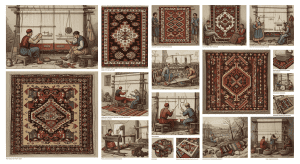
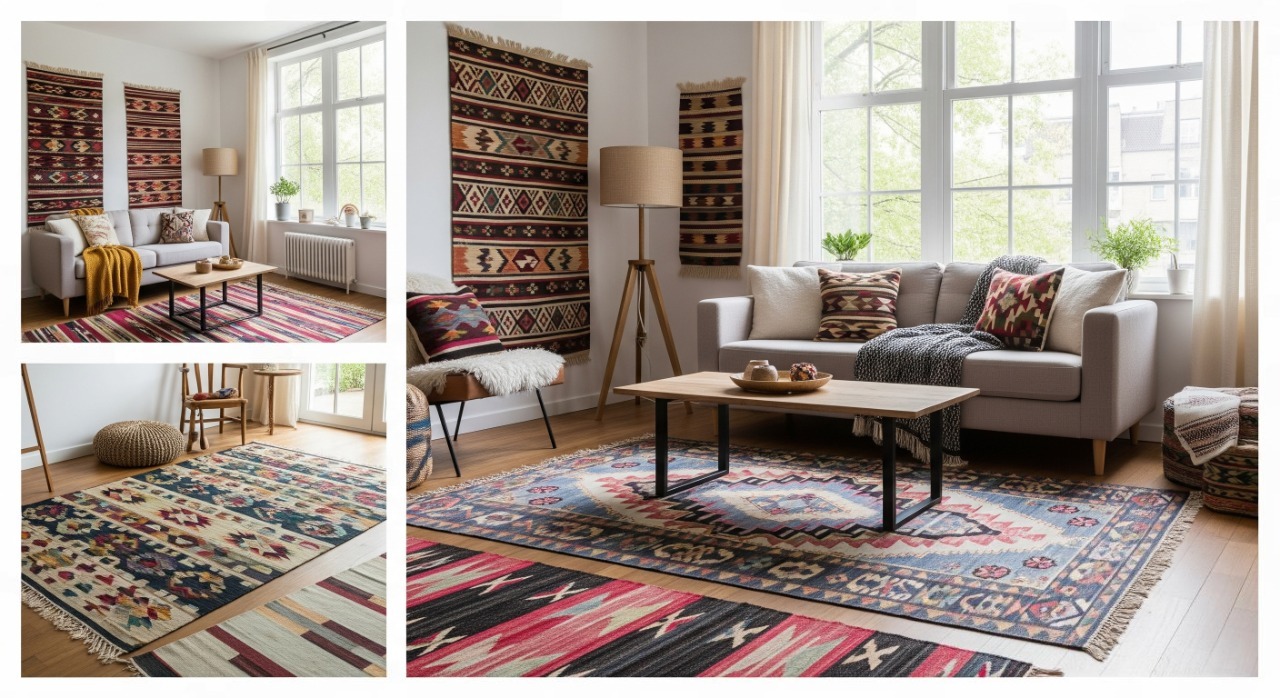
Every home tells a story. From the way light filters through your windows to the artwork you choose, each detail adds character. But few décor pieces can match the blend of history, craftsmanship, and warmth that a handmade kilim rug brings. At Rug and Roots, we believe a rug is more than just a floor covering—it’s a living work of art woven by skilled hands, steeped in tradition, and imbued with the spirit of its maker.
In this deep‑dive, you’ll learn:
- What makes handmade kilim rugs unique
- How these rugs are crafted using time‑honored techniques
- Why ethical sourcing matters for artisans and communities
- Practical styling tips to integrate kilims into modern interiors
- Essential care advice to keep your rug looking vibrant for generations
Let’s embark on a journey from loom to living room—one thread at a time.
1. What Makes Handmade Kilim Rugs Unique
A Flatweave with a Story
Unlike plush pile rugs, kilims are created using a flatweave technique. Artisans interlock warp (vertical) and weft (horizontal) yarns to produce a smooth, reversible surface. This ancient method yields:
- Lightweight durability: Perfect for layering over carpet or hardwood
- Bold geometric patterns: Every motif often carries cultural symbolism
- Reversible design: Two looks in one, doubling styling possibilities
Natural Materials & Rich Textures
At Rug and Roots, we prioritize high‑quality, all‑natural fibers:
- Wool: Soft, resilient, and naturally stain‑resistant
- Cotton: Adds structure to flatweaves and fine detailing
- Plant fibers (jute, hemp): Ideal for eco‑conscious, textured pieces
Natural dyes—derived from plants, minerals, and insects—lend each rug a warm, authentic palette. No two pieces are ever identical, making every kilim a one‑of‑a‑kind treasure.
2. The Art of Traditional Weaving
Generations at the Loom
Many of today’s kilim weavers continue family legacies that span centuries. Working on upright looms, artisans:
- Set up the warp: Stretching vertical threads with precision
- Weave the weft: Passing colored yarns back and forth to form patterns
- Finish edges & fringes: Securing ends for durability and aesthetics
This meticulous process can take weeks or even months, depending on size and complexity. Each knot and color change reflects the weaver’s skill and creativity.
Preserving Cultural Heritage
By celebrating handmade kilim rugs, you support:
- Local economies: Fair wages keep small weaving villages thriving
- Artisan empowerment: Skills passed down protect intangible cultural heritage
- Sustainable practices: Natural fibers and dyes minimize environmental impact
When you choose Rug and Roots, you become part of a story that values people, place, and planet.
3. Ethical Sourcing and Artisan Empowerment
Why Ethical Matters
The term “ethically sourced” goes beyond buzzwords. It means:
- Fair trade partnerships: Transparent pricing so artisans receive a living wage
- Safe working conditions: Respecting health and well‑being in every workshop
- Community reinvestment: A portion of proceeds often funds local education or infrastructure
Direct Relationships, Lasting Impact
Rather than middlemen, we collaborate directly with weavers—visiting villages, understanding challenges, and ensuring craftsmanship is honored. This direct model:
- Eliminates unnecessary markups, delivering better value
- Fosters long‑term bonds, allowing artisans to innovate
- Keeps traditions alive, as younger generations see weaving as a respected vocation
4. Styling Tips for Modern Interiors
How do you showcase a vibrant kilim without overwhelming your décor? Here are five easy ideas:
- Layering on Plain Floors: Drape a small kilim over a neutral rug to add pattern and texture.
- Wall Hangings: Turn a beautifully woven piece into instant art—no frame required.
- Furniture Accents: Use a kilim as upholstery fabric on a bench or ottoman for a boho‑chic touch.
- Dining Room Centerpiece: A long runner beneath your table defines the space and protects flooring.
- Entryway Statement: Welcome guests with a colorful, durable kilim that withstands foot traffic.
Because kilims are reversible, you can flip them seasonally—light, bright designs in spring/summer and richer hues for fall/winter.
5. Caring for Your Handwoven Rug
Proper maintenance ensures your kilim remains radiant for years:
- Regular Vacuuming: Use a gentle setting; avoid beater bars to prevent damage.
- Spot Cleaning: Blot spills immediately with a clean, white cloth; use mild, pH‑neutral soap if needed.
- Professional Cleaning: Every 2–3 years, have your rug cleaned by specialists familiar with natural fibers and dyes.
- Rotation: Turn your rug once every six months to distribute wear evenly.
- Sunlight Exposure: Prolonged direct sun can fade colors—rotate or use window treatments to protect your piece.
With these simple steps, your rug will age gracefully, becoming a cherished heirloom.
6. Why Choose Rug and Roots?
- Authenticity Guaranteed: Every kilim is 100% handmade by vetted artisans.
- Ethical Commitment: Transparent sourcing that uplifts communities.
- Design Versatility: From minimalist lofts to rustic cottages, our rugs fit any style.
- Quality Assurance: We inspect each rug for colorfastness, weave integrity, and finish.